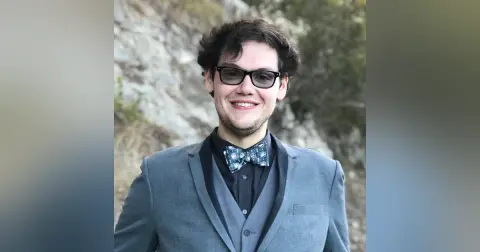
Dr. Paris Buttfield-Addison: Story Game Theory Building the Tasmanian Economy

 Spotify
 Apple Podcasts
 Overcast
 PocketCasts
 RSS Feed
 Paris shares invaluable thoughts, insights, and vision across the board.
Links to content discussed:
Everything Is A Story: Journalist Nick Bilton Thinks AI Might End Humanity
Speaker 0 (0:00): So Paris, what's been the most surprising thing as you work in gaming in Tasmania?
Speaker 1 (0:05): I think the most surprising thing about as we grow our career in gaming in Tasmania is watching people accept video games as a part of culture. So when we started building video games, video games were still predominantly perceived as like a thing children did, or like basement dwelling nerds did, and now video games are one of the most dominant forms of culture, they're one of the most dominant forms of art that people consume, they're one of the most prolific forms of art people consume, and they're one of the most common hobbies for people to do of all ages. And I think the median gamer in Australia is a 37 year old woman or something like that. That's kind of contrary to what people think of as a gamer depending on where they're coming from, right?
Unknown Speaker (0:43): That's great. I didn't know that. Yeah. Yeah. That event that you had a couple weeks ago where we caught up, you organized that whole you were like the main organizer?
Unknown Speaker (0:53): Yes. So the event
Unknown Speaker (0:53): we were
Unknown Speaker (0:53): at was Yeah.
Unknown Speaker (0:54): What was that?
Speaker 1 (0:55): Was a workshop organised by a team I'm part of at TAS Game Makers, is the local industry body to support the video game industry. And I'm the president and my business partners are the secretary and the treasurer. A bunch of younger up and coming game developers are our general board members and our vice presidents. We organised a workshop from a really well known expert in telling people how to turn their ability to make video games and turn their ideas of video games into a business. So basically he prides himself on breaking a few hearts sometimes because he gives the realistic truth about how hard it is to make a video game work as a business.
Unknown Speaker (1:31): And at the end of that workshop we all went to the pub, which is very common.
Speaker 0 (1:34): Yeah, I really found a lot of value in what he had to say how one of the main messages I came away with was how he recommended targeting The United States as a market.
Unknown Speaker (1:45): Yep.
Speaker 0 (1:45): Right, like first, don't think about kinda anywhere else.
Unknown Speaker (1:50): Yep.
Speaker 0 (1:50): And and then as I kinda look at that as a business person, which you are a more successful business person in Tasmania here than I am, and and I look around at other people, I tend I try to use game theory Mhmm. You know, in terms of trying to figure out which way to go. Yep. Right? And and it sounds like when you talk about people are more and more people are using games and they're growing in the culture.
Speaker 0 (2:19): I kind of look at it as the gamification kind of of everything. Is that does that sound crazy or what do think about that?
Speaker 1 (2:27): No. That does not sound crazy. Everything is kind of a game at this point. Everything. We used to say gamification used to be a whole industry of its own.
Speaker 1 (2:34): We often tried to avoid the term because it often resulted in some sort of sleazy attempt to rub something in achievements or badges or things that awarded you for doing mundane things that were part of it. But it's much more sophisticated and interesting than that these days. Yes, everything has acquired elements of video games in some way. It's kind of phenomenal to see because it's just popping up in every aspect of society. And obviously sports has always been kind of in the same area as video games, but now the way modern sports are presented is just entirely the same way modern competitive video games are presented, they've merged into this one thing.
Speaker 0 (3:10): Yeah, makes sense to me. That term gamification I think can be used in a way that's derisive.
Unknown Speaker (3:17): Yes, very much.
Speaker 0 (3:18): But I think it's about, it's also in a real way it's about creating a process that's fun.
Unknown Speaker (3:28): Yep. Right? Like I enjoy doing something fun. Yeah.
Speaker 0 (3:30): People got Yeah. If you and I play soccer or football or whatever that is. Right? Yep. We might start as amateurs Yep.
Speaker 0 (3:37): And we do it for fun in the backyard.
Unknown Speaker (3:39): Yep.
Speaker 0 (3:39): But then like if we're gonna do it as professionals we get paid Yep. And we get really good at it. Yep. So it seems like gamification is really bleeding into the whole economy.
Speaker 1 (3:49): Completely. Everything is coming from a game perspective. Also people understand video games now because it's now mass cultural thing. People understand all those elements that make a video game fun, that's popping up everywhere.
Speaker 0 (4:00): Mhmm. Yeah. The and people people love games, and people love stories.
Unknown Speaker (4:08): Yep.
Speaker 0 (4:08): Right? And with AI coming on.
Unknown Speaker (4:10): Right.
Speaker 0 (4:11): It seems like the communication is getting gamified. Yes. Right? Like more and more. Yes.
Speaker 0 (4:18): And the most powerful people in the world like Steve Jobs said is the storyteller. Yep. In fact, driving down here from Cradle Mountain yesterday, I listened to this really great podcast by Rich Roll about with a New York Times writer
Unknown Speaker (4:35): Yep.
Speaker 0 (4:35): About how storytelling as skill may kind of be the last human bastion of how we differentiate each other
Speaker 1 (4:44): from machines. In this era of AI I worry that we're getting a lot of people generating what looks like a story with AI because it will do a very passable impersonation of creativity if you ask it to generate a story. And I think that especially in marketing what we're seeing what should be one of the most important skills which is this storytelling capability, this ability for humans to craft a message that resonates with other humans, turning into I've asked the magic machine to generate me some marketing copy that makes sense. And it will generate you some marketing copy that looks like it makes sense, but it also is an amalgam of everything that has come before. It is not new in any way.
Speaker 1 (5:19): So I worry in the era of AI we're going see a lot of storytelling reduced to a very generic set of reproductions of every other piece of culture that these LLMs, which are what the technology underpinning all these chat GPT systems has made. It'll just be a generic slop. I hope I'm wrong, but I do see a little bit of that coming lately in this AI era.
Speaker 0 (5:40): Yeah, that's exactly what they were talking about. That's the hope and the fear, Yep. Right and those are the two big drivers of human behavior right? Yeah. So then back on the commercials you've got this really cool event coming up which is why I came down now from Cradle called Level Up.
Unknown Speaker (6:00): Yep.
Speaker 0 (6:00): Yeah. Tell me about Level Up. Maybe what in Yeah. How it started, what drives it, where it's going, what we expect for the next couple days for people coming through.
Speaker 1 (6:08): Sure. So Level Up Tasmania is an expo for people to look at and play all the amazing video games that are being built in Tasmania. It's a three day thing, so we have two days of expo where we'll showcase video games on a show floor so people can wander around and play things like a trade show.
Unknown Speaker (6:23): And that starts on
Unknown Speaker (6:24): Friday.
Unknown Speaker (6:25): Friday morning.
Speaker 1 (6:25): Friday morning and Saturday. Friday all day, Saturday all day. And we've got 40 Tasmanian games to show off, all built in Tasmania, and they're all very different. There's everything from really deep story driven games about really meaningful topics where people are telling some sort of personal story to quick fun arcade games about shooting aliens and stuff like that. Everything in between.
Speaker 1 (6:45): So it's a really interesting range of games made in Tasmania. It came about because for a long time we've been one of the very few professional video game development studios in Tasmania. We've been around nearly twenty years. There's maybe one or two others doing video games semi full time. So we're full time, everyone else is kind of it's a hobby or it's second job.
Unknown Speaker (7:03): They're trying to go full time,
Unknown Speaker (7:04): like They would
Speaker 0 (7:04): love to. They just haven't crossed that bar yet.
Speaker 1 (7:07): Most of them would love to be full time. It's a huge amount of work. It's a pain in the ass. Building a video game for yourself and selling it as a creative endeavor is fraught with problems and it's really hard to break into the market. A lot of work we do is also building video games for other people.
Speaker 1 (7:22): So we build educational games, fantasies, teach something or whatever. Yeah, you mentioned one briefly. Yeah, so we recently launched a game for The Bank of Us, is the Tasmanian community owned bank. It's a mutual, we're really big fans of member owned organisations, it's a really nice game for Tasmania, investing in Tasmania. And they worked with us to build a game to teach four to eight year olds financial literacy using story.
Speaker 1 (7:45): So we basically made a visual novel, which is kind of an interactive story that children can play with their parents that works through concepts of saving and saving for a goal, aiming for a goal, and teaches them. It's fully voice acted, it's narrated, it's interactive, it's a fun way for parents to co play something with their children to learn something. And it was a really fun project because the bank was not trying to push any commercial goal. There's basically no branding in the game. It doesn't try to up sell you.
Speaker 1 (8:08): It doesn't track anything. It doesn't do anything at all. It just exists. We're really proud of it. It launches.
Speaker 1 (8:13): If
Speaker 0 (8:14): you look at a healthy way, you look at life as a as a game. Yep. Right? Game theory. They're growing, like, how people how well people can do.
Speaker 0 (8:24): Yep. And how they imagine their future. Yep. Because I think that's what people use stories to do is to predict the future. All the time.
Speaker 0 (8:32): And and Bank of Us in this situation, they know that if they grow the future, that Bank of Us will grow.
Unknown Speaker (8:38): That's the idea, I think. Yes.
Unknown Speaker (8:39): Right. Yeah.
Speaker 1 (8:40): And a a better future for Tasmania because they're a Tasmanian community owned organisation that only serves Tasmania. So I'm like, one of the reasons we like, we're quite picky with our clients. Like we try and do
Unknown Speaker (8:49): That's such a good thing, yeah. It took me so long to learn that.
Unknown Speaker (8:52): Right, we're picky with who we want to work with.
Unknown Speaker (8:55): No doubt it's so funny.
Speaker 1 (8:57): And once we learned a bit more about how the bank worked it actually became a really appealing organisation to work with because they're community owned, they're Tasmanian and they don't invest their money outside of Tasmania. So it's all for them.
Unknown Speaker (9:10): Oh,
Unknown Speaker (9:11): Yeah. Yeah. Which we really like. Yeah.
Speaker 0 (9:12): Yeah. That's really great. Well, think that's what you gotta do to create network effect.
Unknown Speaker (9:17): We hope so. Yeah.
Speaker 0 (9:18): Right? Like, if you choose to work with the wrong people, then it's much harder to create. Because you don't get the one plus one is three thing.
Speaker 1 (9:26): Right, and if you work with someone that just doesn't gel with the way you work as well, it becomes very unpleasant. That's what we find a lot of these When we've worked with an organisation it has some sort of very specific purpose, that it knows what it is. So we've built games for the bank where it's a community owned bank. We've built games for ABC Play School, which is the old Australian kids TV show. That has a very specific purpose which is to impart knowledge and interesting ideas on children and it knows exactly how to do that with creative outputs and things that inspire children to build and play and explore their world.
Speaker 1 (9:58): We build game for them. We really like it when we build something that is very specifically tied to a core purpose. If it's a bit nebulous it becomes much harder to zone in on the thing that whatever we're trying to build actually is for and ends up making absolutely no sense or not being very good. Organisations that have a very specific purpose behind what they do often when we build a game with them the outcomes are really really strong because that very specific purpose feeds into a game and games are great for you know you draw a line from A to B and there's a bunch of challenges or things you must learn to get from point A to point B. That's basically what a game is.
Speaker 0 (10:30): For me, games are useful for learning. Phenomenally. And some actually are negative like gaming in the sports industry with betting. Like it can get addictive.
Speaker 1 (10:49): We very much try and differentiate ourselves from the conventional gaming industry like the poky machines and gambling and stuff.
Unknown Speaker (10:56): Yeah, it's like a knife. It's got two it's a double edged sword.
Speaker 1 (10:58): There are we share techniques with that industry in terms of the things that make it appealing to play a video game, they are otherwise completely different from each other.
Speaker 0 (11:05): Yeah, for sure. It's just yeah, I think like and then obviously in The United States, I think we saw Facebook get hit with the whole lawsuit with making social media addicted.
Unknown Speaker (11:19): Yes.
Speaker 0 (11:19): And they they gamified Yep. The people. So I think it is tricky to make, first of all, a game that people enjoy playing, and then doesn't become unhealthily addictive, right?
Speaker 1 (11:31): And that's really complex balance sometimes. There's also very explicit techniques that very large studios often, or at least did, use to make games extremely attractive to people to play LEGO. It's called loot boxes. Oh, I've heard that So it's basically games that wrap some kind of reward up in a thing that you must collect or pay for, often with real money. So micro transactions within the game to buy the loot boxes.
Speaker 1 (11:55): Then you open them, they've often got some sort of very appealing flashy animation, quite reminiscent of a Pokemon thing. Things explode from them and they reward you in the game with new unlocks for your character or cosmetics to make your character look different in the game and stuff like that. And for a long time throughout the two thousands, loot boxes exploded and very much for certain circles soiled the reputation of the video games industry because there was this thing that was basically akin to
Unknown Speaker (12:19): Oh, I know what you mean though.
Unknown Speaker (12:21): Yeah. Yeah. Yeah.
Speaker 0 (12:22): The guy that built, I think it was when I was driving down, I listened to another podcast. Yep. And it was it was one of the most famous game designers Yep. That worked for the outfit in California
Unknown Speaker (12:41): in LA. Gonna have to be more specific. There's a lot of them.
Speaker 0 (12:43): Sorry. Sorry. Sorry. Anyway, yeah, he talked about loot boxes Yep. And how, like, those are big drive drivers' behavior because people are they need to survive in the game.
Unknown Speaker (12:53): Right. Right? Exactly. Yeah.
Speaker 1 (12:54): So you can make a video game that's fun and appealing to play for intrinsic reasons that you enjoy. You can make a story that people want to peel back the layers on or achieve something in, but you can also make video games that use techniques that exhibit much more, I would call them predatory tendencies of things like loot boxes and gambling, and use the techniques of poker machines to make it an appealing thing that the human brain specifically likes to tune in on. So things that light up and flash and reward you and feel like they're immediately responsive and responding to you doing something or supplying you
Unknown Speaker (13:28): with things Yeah, and they're behaviour drivers.
Speaker 1 (13:29): They're behaviour drivers, right? So they're things that need to stimulate the baser elements of the way the human mind to compel you to keep playing rather than playing for fun or because you're enjoying it or because it's a good story. I think the other side, the fun storytelling, making something that's good for you to play is much more interesting than just optimizing a feedback loop for humans to engage with.
Speaker 0 (13:49): Hey, so I just looked online. So it's Jeff Kaplan. Joined World of Warcraft and Overwatch for Blizzard in LA. That's a fascinating it's a five hour podcast. I listened to it when I driving was out.
Unknown Speaker (14:02): I believe it, yeah. Really fascinating. I
Speaker 0 (14:04): learned so much that you already know.
Speaker 1 (14:06): Yeah, so he's from an era of the game development industry where they were really struggling to come to grips with what their kind of purpose was, whether it was just to optimise for engagement or make something meaningful. We've kind of partially come out the other side of that in some ways in that the game industry is now respected and recognised as making something meaningful, also there's still a lot of mechanics like loot boxes like gacha, that sort of thing where you are. Yeah.
Speaker 0 (14:28): Yeah. I'm actually really pleasantly surprised to hear that a bank is working with gamer. Yeah. Right? Like and and understanding that that they need to that if they wanna grow with the way the economy looks like it's gonna be in the future
Unknown Speaker (14:46): Yep.
Speaker 0 (14:47): They better start figuring out how to use this Yeah. Dynamic. Put it that way. Right?
Unknown Speaker (14:54): Yeah.
Speaker 0 (14:55): And And so with AI and all this stuff coming down the pipe, they're not providing something constructive for young people who are learning how to use stories to construct a brighter future, then what else do we expect to happen?
Speaker 1 (15:13): I agree. And I think especially with, it's really nice, when we went into this project they were like we feel like it might be a good idea to make a game to satisfy some of the objectives of this project we have to raise financial literacy amongst kids. And they came at it with a completely open slate. And we basically told them that they should make a game that is first and foremost a good fun experience for children before any kind of trying to educate children or trying to sell anything. Thankfully they basically let us do whatever we recommended and we went nuts and just made what we thought was a great idea.
Speaker 1 (15:45): We've got a lot of research and backing behind how these work because we've made a lot of kids games before to teach something. But they were really keen to basically just make this something that parents would actually use. And to make it something that parents would actually use we figured children are very sophisticated these days when they play video games. Like they're used to very complicated, very sophisticated video games, whether it's Minecraft or Roblox or something in between. Children are really good at video games.
Speaker 1 (16:10): They know what they're doing, they know what they're seeing. They're kind of sophisticated consumers of media. And a Tasmanian regional bank is never going to have the budget to make a game that can compete with the sophisticated, for lack of a better word, real video games that Yeah,
Unknown Speaker (16:24): no, children are used different skill set.
Speaker 1 (16:25): Right? So we said that if they want to make a game that children are actually going to interested to play, then what we actually proposed was some sort of storybook. So it's a thing that the parents are designed to sort of read to their child as a storybook. It kind of reads itself, so it's an experience for the parent to do with the child. It's not going to substitute the child playing one of the video games that the child's probably very much into, like Minecraft.
Speaker 1 (16:45): It's going to be an alternative free source of like a storybook or a bedtime story or something that children can do with their parents to engage both with their parents and with the topic rather than trying to compete with the big video games that the children will definitely know and want to play. Hopefully that makes sense.
Speaker 0 (17:02): Totally, that's really fascinating to learn I think what I love about that is that you were able to negotiate, probably construct some sort of story between yourselves, yourself and the bank and the bank and you guys Yep. About how you would collaborate.
Unknown Speaker (17:21): Yep.
Speaker 0 (17:21): Because those are like completely different silos.
Unknown Speaker (17:24): Yep.
Speaker 0 (17:24): And that's one of the like you know I live in Northwest Tasmania. That's one of the things that I find frustrating is that there's silo A and silo B and it's not that they're not collaborating in a way there's conflict.
Speaker 1 (17:37): For such a small place Tasmania loves siloing things as well. There's lots of weirdly discrete entities in such a small place that should just be one entity and things like that.
Speaker 0 (17:48): Yeah. And I don't profess to to know what that is, but I the thing that so I think the thing about gaming is that gaming requires betting. Yep. Like I bet I bet if I if I bet if I go down here I can open up that loop. Sure.
Speaker 0 (18:05): Yep. Right? Yep. I bet if I go down this road Yep. Do whatever.
Speaker 0 (18:08): I bet if you and I work together, we'll do better Yep. Than if we don't. Yep. Right? So what I what I think is that people use stories to construct beds.
Unknown Speaker (18:18): Yep. Yep. I agree with that.
Speaker 0 (18:21): And I'm curious to hear what you think about that as kind of like, you know, like a theory that I'm trying to
Unknown Speaker (18:26): I like it.
Speaker 0 (18:27): Explain to people in Northwest Tasmania, and then it start, forgive me for groaning on a little bit. Then it starts with if Yeah. Let's say I'm trying to convince you to make a bet on working with me Yeah. But the story that I tell you, you're like, I have no idea what you mean. So so I think it starts with constructing the story that convinces you, that you even understand why we should do it and you shouldn't leave.
Speaker 1 (18:48): No, really like that framing. I think most, many of the video game industry would definitely take offense at the word bet because it connects it to the gambling industry and we don't wanna be tied with them. So I would maybe say challenges. Video games are about proposing challenges or
Unknown Speaker (18:59): having challenges
Speaker 1 (19:01): between people or against things. Yeah, really like that framing. Makes a lot of sense to me.
Speaker 0 (19:05): That's a relief because I'm tied to that idea of bet. I think betting is what humans do whether they want to admit.
Unknown Speaker (19:11): That's the
Speaker 0 (19:12): word I use to describe behaviour.
Speaker 1 (19:13): I think outside of the games industry, the game development industry, that makes sense. In the games industry it's a sore word because we get painted with the same brush as gambling.
Unknown Speaker (19:25): John looking at me like, he shouldn't have used that word? Probably.
Speaker 1 (19:28): We just don't want to be to the gambling industry, right? He'll chase you out, the dogs will deal with Oh god no. Yeah, like the games industry is just, we have so many years of being grouped occasionally with gambling, especially in Tasmania where gambling is a really sore point with a lot of people.
Speaker 0 (19:47): Look, I mean, like it's bad in where I live. Yeah. Okay, like the lady across the street. Yeah. Yeah, she was addicted to it.
Speaker 0 (19:54): Yep. And the industry fed off her.
Unknown Speaker (19:57): Yep.
Speaker 0 (19:57): And she passed away. Yep. Right, like it's really unhealthy. Yeah. And so what I see, right or wrong, is actually you're growing the healthy part.
Speaker 1 (20:08): Yes, I think it's very much in the That same
Speaker 0 (20:10): will drive behavior that may actually shrink the unhealthy part.
Speaker 1 (20:14): Gambling is manipulating human behavior to achieve an outcome for the person who is extracting the value from the human, whereas building video games is, yes, probably still manipulating human behavior, but in the same way like a good film or a good novel does rather than in a sort of a feedback loop machine that just is hollow.
Speaker 0 (20:31): Yeah. Yeah. Well, think what you just kind of, helped me realize Yep. And clarify is that some games are zero sum
Unknown Speaker (20:39): Yep.
Speaker 0 (20:40): And some games, are plus sum
Unknown Speaker (20:43): Yep.
Unknown Speaker (20:44): Or whatever you call that.
Unknown Speaker (20:44): Sure.
Speaker 0 (20:45): Right? Yep. And I think the game the the game that you developed with that bank Yep. Right, is not a zero sum game.
Unknown Speaker (20:53): Yep.
Speaker 0 (20:54): People are telling themselves a brighter future.
Unknown Speaker (20:56): Yep.
Speaker 0 (20:56): And if they work on that, then they're not splitting the dollar that I'm putting into the machine.
Unknown Speaker (21:01): Yep, that makes sense to me as well. Agree.
Speaker 0 (21:03): Yeah. Those are zero sum games can create conflict really quickly.
Speaker 1 (21:10): Correct. Yeah, I agree with that. There's a framing you might like that the game industry often talks about that we use occasionally when we talk about things, which is that there are multiple kinds of fun in games. So there's a famous paper I think it's called Eight Kinds of Fun. John will give me a thumb if that's correct.
Unknown Speaker (21:24): Oh yeah, it
Speaker 1 (21:25): is. Thank John. It's by Mark LeBlanc and a few other writers. I'll send you a link to it.
Speaker 0 (21:30): It's I'll worth put it on the podcast notes.
Speaker 1 (21:33): Great. So I think it's really interesting outside of game development. We've actually taught workshops that this is like pseudo corporate training for non game developers just to give them an idea of what it takes to make fun with a reason.
Unknown Speaker (21:44): That's an effort.
Speaker 1 (21:46): It's an effort. The most fun we actually ever had during that workshop, were really worried it was going to be in Germany and we thought it would be really bad because Germans have kind of this reputation for taking board games and games very seriously and being very
Unknown Speaker (21:57): serious people. Oh really? I never knew that.
Speaker 1 (21:59): In the room full of Germans they were amazing. They really got into it. That was the most engaged workshop we've ever had for this technique. But anyway, that's an aside. Really fun.
Speaker 1 (22:07): I recommend teaching the basic mechanics of how video games work to Germans. Great fun. Either way, eight kinds of fun. So Michael Blanc's paper basically suggests that there are multiple kinds of fun which are the reasons people play video games. If you're playing a horror game the fun might be the fear of getting chased, right?
Speaker 1 (22:24): It's simulation of being scared of something and achieving the effect of being That
Unknown Speaker (22:28): fear can be enjoyable.
Speaker 1 (22:29): If it's like a city builder like SimCity your fun is planning and designing a perfect system that interacts with other systems well. If you're playing like a first person shooter your fun is you know shooting aliens and being the hero. And if you're playing a racing game the fun is beating other cars in the racing game and something. So there's a lot of different kinds of fun. So when you're designing something that has game like elements or is a game you've got to think about the kinds of fun you want to inspire in people.
Speaker 1 (22:52): It's not always not always number like go up fun which is you know little stars going up the screen which is pretty much the only kind of fun those PokeMachine kind of games have is number go up and tiny chance of actual reward right. There's not any there's not the breadth of different kinds of fun that a real video game has.
Speaker 0 (23:09): Oh right, a broader spectrum of fun.
Speaker 1 (23:11): A good video game has a massive spectrum of different kinds of fun in it. There's different reasons you There's do different bits of many more than eight. It's just the name of the paper right? There's hundreds of different kinds of fun. Everything is a kind of fun right?
Speaker 1 (23:21): You know, you might play some sort of strange visual novel about, you know, the meaning of life and the kind of fun is, you know, might be ennui or just, you know, generally thinking about existence. That's fun.
Unknown Speaker (23:32): That's genius. Thank you for educating me about that.
Speaker 1 (23:35): So a good video game has a lot of different kinds of fun in it, different slices. Like a good film has a lot of different kinds of fun in it. Horror movies have quiet moments where the fun is watching characters build something to tackle the next challenge they'll face and then it has the fun where you're watching people get chased by something creepy and then so on and so on. Video games are exactly the same. If you look at a video game and it has only kind of one kind of fun and it's basic reward like number go up, pinging people.
Unknown Speaker (23:58): Well that's a poky machine.
Speaker 1 (23:59): That's often just a poky machine. Exactly. So that's a really good way of thinking about it we find.
Unknown Speaker (24:04): That is really helpful to think of it that way. I will check out that
Unknown Speaker (24:08): It's definitely worth it.
Speaker 0 (24:10): Thank you. I know you've got this conference coming up and I really appreciate you squeezing in time to Oh, good. For our for our podcast today. Yeah. What and you do some work in in the Northwest.
Speaker 0 (24:28): I think you you've got something coming up in Queenstown later on this year and you're up in Launceston the other day. I was. And then also too, I think previously you lived and worked in The US in San Francisco for a while, is
Speaker 1 (24:43): Yeah so John and I, John's acting as our audio technician today, one of my business partners, we lived in The US for quite a number of years in Palo Alto and San Francisco and all the usual technology places where we learned a lot about how startups and how businesses and how tech companies work, and then we decided we didn't want to be part of that ecosystem anymore and came back to Hobart.
Unknown Speaker (25:04): Yeah, fair enough.
Speaker 1 (25:05): And we love San Francisco and the whole
Unknown Speaker (25:07): Well I mean that trend has been occurring for a while too, right? Like a lot of those guys have laughed.
Unknown Speaker (25:13): Yeah, I agree.
Unknown Speaker (25:13): For all different reasons, right? I think the game kind of wore out for them.
Speaker 1 (25:19): Yeah, in the '20 or something, just over twenty years or whatever we've been going to San Francisco, it's changed a lot. San Francisco has obviously always been changing, but I think the vibe has become much more extractive rather than creative, and that was always there. But now that's predominant, right? They're just trying to make things that can be ground up for as much money as possible whether that's from venture capital so the creators can cash out or going public or from just eyeballs from people so they can make the number go up for themselves to have a larger company. The game is now to deduce your stats to make your start up as big as possible as fast as possible.
Speaker 1 (25:54): More than it's to make anything of serious interesting value and that's a bit depressing.
Speaker 0 (25:59): Yeah, I'm with you there. So you're doing extraordinary things to grow not just your own business, but the industry,
Unknown Speaker (26:09): like you being
Speaker 0 (26:10): in the industry. Right? And and if you could if there was something that was kinda holding you back Yep. From seeing it develop into the dream that you envision, this vision that you have of what it could be. Yep.
Speaker 0 (26:28): Do you mind if I kinda ask you how you might describe that thing that might be holding it back before we try to figure out how how how you might ask people to help you overcome it?
Unknown Speaker (26:39): How how's that So the games industry as a whole in Australia or
Unknown Speaker (26:42): Yeah. No. No. No. Just I think we just focus on on Tazzy?
Unknown Speaker (26:47): Oh, yeah. On on Hobart and Tazzy. Okay. Because, like, you're already doing it. You've
Unknown Speaker (26:51): We're trying.
Speaker 0 (26:51): You've got I think what you've got that's incredibly valuable is you've got momentum.
Unknown Speaker (26:56): We hope so. Yeah.
Speaker 0 (26:57): Right? And you're also inspiring people.
Unknown Speaker (26:59): Yeah.
Speaker 0 (27:00): Right? And they're seeing your your your movement, your your growth as a story. Yes. And they wanna be part of it. And when they become part of it, it actually grows the whole
Unknown Speaker (27:12): industry. Yeah.
Speaker 0 (27:13): So if you could if there's something that's preventing people from doing something to grow it, how would you describe it?
Speaker 1 (27:23): So I think this is going to be a slightly sideways answer to your question, but I think the biggest problem with the games industry, our industry in Hobart and Tasmania, is very similar to many industries. I think it's that people get skilled up, they either teach themselves, build something fantastic, or they go to uni and get a games degree or whatever. They arrive in the games industry, they may build something in Tasmania. It probably won't financially do well because such is the way of an arts industry you have to have multiple successes before you're an overnight success, So it always happens that way. And then they leave and they go to Melbourne where there are many more opportunities either perceived or real and then they don't come back once they may have found success there.
Speaker 1 (28:01): And I think creating the space in Tasmania to have studios that can stay here without necessarily having to sacrifice much to be here is what we'd like it to be like because right now there's a reasonably good level of sustained support from the Tasmanian government for the games industry. But right now obviously the state government is shaking up the public service a bit, they're trying to decide where to spend money because there's obviously a budget crisis, and I worry that without them continuing to sustain that support we'll end up in a position where we start going backwards again and that will basically knock over all the previous progress and we'd have to start from scratch on some level. We're not ever going to be able to say hey state government please give us grants and funding to the same scale as Melbourne and Queensland get in the games industry, because they have much bigger economies. But the smaller amounts that they currently offer are really enough to bootstrap a lot of very good games. And if they stop doing that at some point, or worse, lower it, go backwards, I fear that the momentum we've built will mean any chance of Tasmania building a vibrant creative industry that serves the games industry will be gone.
Speaker 1 (29:07): The games industry is the largest creative industry in the world. It's bigger than film, television, theater, music Yeah. Combined. Think it's bigger.
Speaker 0 (29:14): It's getting bigger. We're talking about the gamification
Unknown Speaker (29:16): Yeah.
Unknown Speaker (29:16): Of It's crazy. Of the whole economy
Unknown Speaker (29:18): Yep.
Speaker 0 (29:18): And, like, I think your example of working with that bank is an example of it growing Yep.
Speaker 1 (29:22): Here. And all the skills to build video games are completely in demand everywhere.
Unknown Speaker (29:27): So I would say that those people are making the wrong bet. Like if you and I are David Walsh and we make bets for a living, would guess that that bet of shrinking
Speaker 1 (29:37): Yeah. I I hope they don't shrink it. I haven't said anything yet, but I hope they don't shrink it. I don't think argument.
Unknown Speaker (29:42): I don't think We're just we're just gaming around. We're playing around with stories about what what may or may
Unknown Speaker (29:46): not happen. So, like, if it happens, then we'll go backwards, and we'll have to start again, basically.
Speaker 0 (29:50): But that's not a surprise, like in life, right?
Unknown Speaker (29:53): Not a surprise at a step
Unknown Speaker (29:54): forward, one step forward.
Unknown Speaker (29:54): Not a surprise
Unknown Speaker (29:55): at all.
Unknown Speaker (29:55): The reality that
Unknown Speaker (29:55): a reversion of the mean.
Speaker 1 (29:57): In one breath the government says they want Tasmania to be a strong modern creative economy with IP that we own here, that we sell to the world. In the other breath they potentially defund things like this which are a direct path to exactly what they say with the other breath. So I worry that they don't understand the potential impact because Tasmania has a lot of really good storytellers. We've a lot of great writers here. We've got a lot of great storytelling capability whether we're talking about storytelling in museums, writing literal books, you know, researchers, all sorts of stuff goes on here.
Speaker 0 (30:26): Yeah, high quality, punching above its weight.
Speaker 1 (30:29): Very much punching above its weight. And like, it's also very evocative, like Tasmania's got a really interesting weird history.
Speaker 0 (30:34): Which got a pretty good like story to write stories about.
Speaker 1 (30:37): Exactly. Everything from you know First Nations for millennia to the colonial era where we've got all sorts of weird stuff happening and then you know through to now where we've kind of gone from like a bit of a regional, often perceived as a backwater to somewhat bit of of a cultural powerhouse in the South and a food and wine powerhouse everywhere else. Know it's a really cool story in a lot of ways. And I think if we were to squander the opportunity to have Tasmania also control some of the narrative of the video games industry, that would be really sad. And we're never going to be Melbourne.
Speaker 1 (31:11): We're not big enough.
Speaker 0 (31:12): Well we shouldn't try. I was in one of the northern cities up there the other day. One of the mayors said, Hey, we're going be like Silicon Valley.
Unknown Speaker (31:19): Oh, I'm so sick of that.
Speaker 0 (31:21): And I'm like, but like anyway so that kind of how are you for time?
Unknown Speaker (31:25): No problem. What are
Speaker 0 (31:26): you Okay okay. Right so one of the things that Silicon Valley has is a pretty powerful university. Yep. So do you mind if I ask you like where's the university on this stuff?
Speaker 1 (31:38): Look I think the university is incredibly important and I think they do a really good job with so the university has a fantastic ICT degree with a fantastic video game development major. Right. Well absolutely, literally world class. Great teaching. The problem is not the fault of anyone who teaches that.
Speaker 1 (31:51): The problem is that the university is very siloed. So the university very much has trouble at a structural level combining stuff from ICT technology with arts and media and music and business. So their games degree is basically all technical and any artistic skill that any of those participants may have is just purely incidental. Any business skill they have is purely incidental. Any narrative storytelling skill is purely incidental.
Speaker 1 (32:13): None of those things are explicitly taught because the staff are world class educators of computer science not any of those other things. So they're coming at game development entirely from the programming perspective and that attracts a certain kind of person, right? Which is fine, you need those kind of people. It doesn't train or equip the people going through the course with the storytelling, the business, the music, the creativity, painting, know. We do a lot of travel.
Speaker 1 (32:35): I was at Drexel University in Philly last year for a conference and their game design school is integrated in one media building where they've got like seams, dressmaking and costume design, painting, music, arts, video gaming.
Unknown Speaker (32:48): They built the silo. Like a multi factor silo.
Speaker 1 (32:51): Yeah, television, film and television production, lighting. You know when you're learning how to light a physical scene in the real world when you're doing your Bachelor of Theatre studies you are also learning techniques on how to light a three d scene for your video game in your game engine because some of those techniques are transferable, right? So you know it's Drexel,
Speaker 0 (33:08): like Drexel's a good university but it's like
Unknown Speaker (33:10): It's kind of the second level of what Yes, American university it's is working like
Unknown Speaker (33:15): ivory tower.
Speaker 1 (33:16): Exactly, and for all the problems The US university system has, I think one of the problems that many of the bigger ones and even the smaller, actually many of them, community colleges do great in this in US, have solved is they've managed to cross the silos together and understand right, lots of things are magic just
Unknown Speaker (33:29): through for silo crossing.
Speaker 1 (33:30): Whereas Australian universities are very obsessed with their departments and it's very hard to do anything outside your faculty or your department and that's very true at UTAS. And it's not the fault, all the academics at ICT at UTAS who teach games, they're amazing people and they're friends of ours, and they're just, you know, they can't teach something that's not their domain and the university structure doesn't allow them to borrow units from arts, from business and so on.
Speaker 0 (33:50): Got it, alright, so we are talking about like a systemic structural thing.
Unknown Speaker (33:55): Yeah. It's just the design of the university.
Speaker 0 (33:56): The university and feel free to be like, I don't wanna talk about that. I don't wanna answer. Has the university been supporting the events? Like, I was super impressed, and really happy to see Screen Tasmania. Actually it was a sponsor of the event that I drove down from Cradle Mountain for, Yep.
Speaker 0 (34:13): And that was online too, so I could have actually just stayed there and
Speaker 1 (34:17): watched Thanks again to John. Yeah, thank you John.
Speaker 0 (34:21): And then was the university part of that?
Speaker 1 (34:25): So the university wasn't a part of that specific workshop but the university has been very supportive in general. As part of the way the university is currently teaching game design, and this is purely because the people who are doing it are really good, they've basically founded a studio, a game studio called Giant Margarita, which is staffed by university staff and then provides opportunities for students to participate in a functional game studio that ships things. So one of the big strengths of their model is that their students often just get an opportunity to participate in building a game that then ships for PlayStation, for Nintendo, for Xbox. Yeah. And it's a real product, not project.
Speaker 1 (35:00): And that's great. The university is a big part of our community. They'll be expoing at Level Up, showing
Unknown Speaker (35:04): off student
Speaker 1 (35:06): made games, games made by Giant Margarita, that team I just mentioned, as well as showing off you know the possibilities of getting an education at the university because they're obviously, the higher ups at the university are obviously very keen at using these kind of things as a marketing exercise to attract students, but realistically then the people that actually send are actually part of our community and not just faking it so it works both ways for everyone.
Speaker 0 (35:24): Yeah like skin in a game.
Speaker 1 (35:25): Exactly, they come to the pub nights every month, they hang out with us all the time, they attend our events so it's not just they show up for this they're actually always around which is great.
Speaker 0 (35:33): So just to go back to that question which is if there was something that was holding the industry back from growing, creating network effect, if you will, it would be silos. That
Speaker 1 (35:52): Silos, knock down the silos. Tasmania is too small for silos.
Speaker 0 (35:56): Yeah, can't afford them. And see this is kind of where my understanding is that to cross the silos, each side has to tell the other side a convincing story.
Unknown Speaker (36:11): The story is the troubling one. Yeah. I I don't think
Speaker 0 (36:15): Like, I'm telling myself the story of if I go to the other silo, my silo's going to attack me.
Speaker 1 (36:22): I don't think that Tasmania understands the we've got a Chihuahua invading. I don't think Tasmania understands the benefit of breaking down silos. Like, I don't We have so many local councils.
Speaker 0 (36:35): I live in silo land.
Speaker 1 (36:36): Right, yeah. Have local councils.
Speaker 0 (36:38): It's like physically I'm siloed. You go into a rural community, it's twenty minutes to get to Wilmot.
Unknown Speaker (36:47): Yeah. Okay.
Speaker 0 (36:47): Right? And it's an hour to go to the grocery store. Yep. So I was in a con forgive me for interrupting a little bit, but I was in a business association conversation the other day, and I was like, you know, people in the cities actually they they actually don't need to be that good as storytellers. Because, like, you could walk down ten minutes, try it with somebody.
Speaker 0 (37:08): If it doesn't work, ten minutes later.
Unknown Speaker (37:10): Pretty much.
Speaker 0 (37:11): But in in a rural community, actually, I think the skill becomes even more important because it takes an hour to go fail.
Unknown Speaker (37:19): You know
Unknown Speaker (37:19): what I mean?
Speaker 1 (37:19): You have much less flexibility to fail.
Unknown Speaker (37:22): Yeah, well it's a lot more expensive.
Speaker 1 (37:24): Yep, and it's more expensive to fail. Yeah, I agree with that. I think that Tasmania is very good at, most Tasmanians do a lot of things. We wear a lot of hats, right? Everyone's very multi talented in a lot of ways.
Unknown Speaker (37:36): Well that's what your colleagues were talking about earlier. Like you have to wear You
Unknown Speaker (37:40): have to do everything.
Unknown Speaker (37:41): Hats because the skill isn't here because it's left.
Speaker 1 (37:44): Yeah, exactly. But also for some reason within that framework of everyone wearing different hats, we're also very good at like fixing one hat very strongly to ourself and going into a specific silo and not sharing it. So like I just I don't really understand why tesme is so, it's parochial is a word I've heard a lot. I don't think it's just parochial, it's definitely the silos as well. But like the North South Divide is weird, we think of ourselves very strongly identity based on a world scale very small cities that are very close to each other, right?
Speaker 1 (38:12): Like even with your relatively long drive from your regional area, Tasmania is still a small drive. That's true. Like your drive here is like almost some people's commutes on the mainland, right? It's just crazy times. Tasmania is small and we need to start thinking of ourselves as a community that exists on an island and that's the whole community.
Speaker 0 (38:29): See, that's the story game for me. Like we're telling each other stories that convince us to conflict instead of collaborate.
Unknown Speaker (38:39): That would be great, and I don't
Unknown Speaker (38:40): I mean that's what we're doing. Doing Oh, right.
Unknown Speaker (38:42): Yeah. Sorry. We should collaborate instead of conflict.
Speaker 0 (38:44): That'd be great. You know what they did, like it or hate it with stadium. Yep. People told themselves a story that got it across the
Unknown Speaker (38:53): line. Yep. Right? And
Speaker 0 (38:54): that skill is pretty important.
Speaker 1 (38:58): The pro stadium crowd has definitely narrated the story that the stadium will be valuable much more effectively than the anti stadium.
Speaker 0 (39:07): Yeah and then once you construct a convincing story and it's believable then everybody
Unknown Speaker (39:12): It's also very hard to counter it once it's been out
Unknown Speaker (39:13): there.
Speaker 1 (39:14): Exactly. You have to have a so much better story to counter something that's already been floating around people's minds. It's complicated question, Intazzie.
Speaker 0 (39:23): Yeah. Agreed. Well, I mean, just I think that's a complicated human question that these that everyone's debating on, and you're an expert in the game industry that uses and construct stories. And that's why I feel really fortunate to get a chance to sit down, talk with you about it, learn more today and along the way.
Unknown Speaker (39:40): Yeah. It's really fun.
Speaker 0 (39:41): I think, you know, this because what they were talking about on that Rich Roll podcast is, like, storytelling is, like, a basic human skill.
Unknown Speaker (39:49): Very much so.
Speaker 0 (39:50): Like, we're kind of like, where do we compete with a machine? Yep. Right? Like and and to be able to read people's emotions
Unknown Speaker (39:58): Yes.
Speaker 0 (39:59): About, like, when it comes to what story they believe or Yeah. Or whatever is is becoming, I think, it's always been important, but it's becoming even more so, I think.
Unknown Speaker (40:13): It may be one of the few skills that we need to assert our ownership of as humans because
Unknown Speaker (40:20): we Yeah, stay in control.
Speaker 1 (40:22): Otherwise the billionaires that control the chatty pitties of the world will try and replace humans' ability to communicate with each other with some sort of, I don't like the term, but machine mediated communication where we end up, know, Hi chatty PT, can you please write an email to my boss to do the following? Instead of just writing it yourself. And sure, that's a perceived time saver and I've heard people say that if your English is a second language or trying to speak a language that you don't speak very well, putting what you can into a chatty bitty upsism and asking to massage that into good English is something that people have found valuable.
Unknown Speaker (40:58): Do. Right? I do. My grammar's terrible.
Speaker 1 (41:01): Right, exactly. I can see the value in that and why people find that valuable. But I also felt worried that if we extend that usage out past things like that we'll end up in a world where people are just asking the machine to generate everything they Well that's the matrix, right? I see this with tools like Canva, which are really useful tools for doing graphic design, that every social media post for every company in the world is kind of converged on this one standard where it kind of looks like something made in Canva, where there's trendy banners, they're kind of homogenous.
Speaker 0 (41:28): We're talking about the gamification thing,
Speaker 1 (41:30): Yeah, it's a really fun tool to use, and I see why counters pop here and useful, but it also, everything it generates kind of looks the same. Yeah. Now
Unknown Speaker (41:37): Which is wild because then it's like, you know, the skill used to be very elite.
Unknown Speaker (41:41): Yeah.
Speaker 0 (41:41): So the whole skill factor is moving up.
Speaker 1 (41:44): Yeah and I can see the argument as well that something like a tool like this is good for people because it makes the ability to make these things accessible to a wider array of people but also all looks the same and it doesn't really mean anything or say anything about you or your brand or whatever you're trying to communicate. So I worry, but Yeah,
Speaker 0 (42:00): fair enough. That actually, what you just said makes me kind of like realize a question Yep. That I hadn't thought of before even after listening to those guys and what you just said now Yep. Which is, so where do the because there used to be like, storytelling is a skill Yep. That was a very steep vertical.
Speaker 0 (42:21): Yep. Right? And somebody that was, like said to me one time, even if you teach people how to tell a story, they still can't do it. Yep. Right?
Speaker 0 (42:30): But now the machines are coming in, they're kinda bringing everybody's they're up leveling everybody in that skill area.
Unknown Speaker (42:36): Yep.
Speaker 0 (42:36): Right? So then the the one percenters or the 10 percenters. Right? Yep. You know, the Jack Dorsey's as well.
Speaker 0 (42:42): Right? I will talk about The Steve Jobs with the what do they call it? The, reality distortion field. Yeah. Reality distortion.
Speaker 0 (42:48): Yep. Yeah. Where do they go? Yeah. I mean, are they already there with the AI?
Speaker 0 (42:54): Is that where they are?
Speaker 1 (42:55): I don't know. I really, I genuinely don't know.
Speaker 0 (42:57): It's a fair question though, no.
Speaker 1 (42:58): I think I see a lot of the tech bros of the world say that the discriminator is becoming taste. Taste is the thing actually need as human skill is taste. Because if everyone's directing the machine to make something then the actual skill that you need to have is the taste to direct the machine to do what you need.
Unknown Speaker (43:15): That's a good card. It's great card.
Unknown Speaker (43:17): But I really like it even though like all the people using the term are some people I mostly find objectionable right? So like I think it's a great way of thinking about
Unknown Speaker (43:24): It's so human right?
Unknown Speaker (43:25): It's very human. It's thing to
Unknown Speaker (43:26): think about.
Speaker 1 (43:27): Whether it's using an LLM to do a picture or to make music or to write text or even write code that kind of implies that the human skill we need to keep is the ability to discriminate whether that's good or not, stylish or not, nice or not, right? And that does kind of resonate. That seems to make sense to me. It starts off a whole other chain of worrying about things but it makes sense.
Speaker 0 (43:48): Yeah, It does. And the the the something that I'm battling with myself, and then I heard these guys talk about yesterday, is how if you see something
Unknown Speaker (44:00): Yep.
Speaker 0 (44:02): And I think that it's, I know I've done it before so you know I'll accuse myself of it first, right?
Unknown Speaker (44:08): Yep.
Speaker 0 (44:08): And then then it happens to me as well. Is is I, let's say I've got a new idea, a new concept, right?
Unknown Speaker (44:15): Yep.
Speaker 0 (44:15): And I put the concept up and maybe I describe it poorly or it's misunderstood or somebody doesn't like it. They don't attack the concept. Yep. They attack me.
Unknown Speaker (44:25): Yes.
Speaker 0 (44:26): As a as the person. And let's say if you're creating an idea, you're an artist. Yep. So now we're at the dichotomy of, like, do I like that Picasso because Picasso made it or because, like, I like that piece? Yeah.
Speaker 0 (44:38): Right? And that's where they were talking yesterday. Like Yep. If you didn't know that AI created that and you liked it, you still like it if you knew that
Unknown Speaker (44:47): AI created it.
Speaker 0 (44:49): I think is a really fair, like, interesting important question. Yeah.
Speaker 1 (44:53): It gets that gets worrying fast to me because, like, what am Right? I Like, what what are we meant to do there? I don't know. And, like, The game development world is particularly interesting as far as Mass Media worlds goes because the internet has made it so easy to attack the person as well, the creator of things, because you can find them and you can draw other parts of their life into your ability to attack themselves. Ability to be mean is faster and more comprehensive than ever before right now thanks to technology right?
Speaker 1 (45:21): And especially the game development world where fans strongly attach their identity to games that they play often so they get very nasty about it both to people who might not like it or understand those games but also to the creators of those games if they feel like the creator is not putting the things that they, the gamer, wants into the product right? They get because they have such a strong sense of ownership about the games they're playing there's often a very vitriolic angry response if a game developer does something. People like to blame people. Right, and one of the ongoing jokesthings that keep us up at night in the games industry is you might make a game, you might sell it on Steam, which is one of the predominant platforms for video games, and they've got a review platform like any other modern e commerce site so you can leave a review with a username attached to it. One of the things Steam does with reviews is on the review it shows how many hours the reviewer has played the game.
Speaker 0 (46:13): Oh that's pretty cool. You might What's your qualification for rating?
Speaker 1 (46:18): Yeah, exactly. So many hours. But like one of the things that we see, is as I say a running joke slash thing that keeps us up at night is reviews when a big game, could be any game, happens to every game. Reviews on a game where the gamer has played the first version for a thousand hours say, many hours, and then the developers released a small update to that version and it's changed something tiny that the gamer doesn't like. So this person is like Steve, one thousand hours in game, terrible game, do not buy.
Unknown Speaker (46:45): Right? One star.
Unknown Speaker (46:46): Yeah right.
Speaker 1 (46:47): And for an indie game, especially for a small game studio, that can completely scarf, enough of those can completely destroy any possible commercial success that game would have. So we often see
Unknown Speaker (46:57): That goes back to what you said earlier, choose your customers well.
Speaker 1 (47:00): Oh, choose your customers well. But you can't choose your customers well when you're selling So in mass market, it becomes a whole problem. So we often see the biggest studios basically playing this game of managing their customers in a way that tries to educate them about changes they're making but is also pandering to them. They don't want be too mean, so you end up with this very weird communication from big studios to the audience where they're almost like they're terrified of them on some level but they're also trying to please them. Like here is this, does this please you?
Unknown Speaker (47:25): Do you like this? Like you know it's a very strange time.
Speaker 0 (47:28): It is. And then I heard yesterday on a podcast that was pretty good, and he was talking about how they were talking about how there's AIs out there that can now be used to replicate what they construct digital versions of a customer. And he obviously made the point which is obvious which is okay what data are you trained So I don't think we're there yet to be able to construct you know the
Speaker 1 (47:50): Definitely make something convincing without knowing
Unknown Speaker (47:52): Like humans are too spiky.
Speaker 1 (47:53): Yeah. Right. You can you can make something that will kind of resemble what you've asked for, but it won't. Generic. Personas are not an effective way of using it.
Unknown Speaker (48:00): People are doing it all the time
Speaker 0 (48:01): though. Yeah. It's very common. Well, that's actually and I wanna avoid keeping you too long now because if I yak your ear off, you won't ever come back on the podcast again. And I'd really love that because I think that this conversation in terms of gaming, gamification, and it going into the economy is not going away, especially with the growth of the prediction economy.
Unknown Speaker (48:22): Yep.
Speaker 0 (48:22): Right? Like, because that's what I think gaming like, the word bet. Yep. Okay. Fine.
Speaker 0 (48:28): We cannot use that. Yep. But the ability to predict what the future's about Yep. Feels pretty important.
Unknown Speaker (48:33): Yep.
Speaker 0 (48:34): Right? Yep. And people construct stories to to, you know All
Unknown Speaker (48:38): the time.
Speaker 0 (48:39): Improve it. Yep. And, you know, find the dream and avoid
Unknown Speaker (48:42): the nightmare.
Unknown Speaker (48:43): Right? Yeah.
Unknown Speaker (48:44): That's the idea anyway. Yeah.
Speaker 0 (48:45): So what before before you tell me you gotta go, what what do you what do you what do you want people to be thinking about over the next couple days when they go to LevelUp as they might listen to this? And then kinda as you go Yeah. As you as you and John and your team are growing the industry together with your industry partners and and and and partners in government Yeah. I I'm sure on both sides. Yep.
Speaker 0 (49:16): Right? And all sides. Right?
Unknown Speaker (49:17): Both sides.
Speaker 0 (49:17): Yeah. Yeah. What of what do you want people thinking about as a leader in gaming space here in Tasmania?
Speaker 1 (49:27): Yeah, look, I would say just generally be critical of the media you consume. Think about what you're consuming and why you're consuming, whether that's a video game or television or a podcast or a movie, even which news channel you watch or listen to or read, right? Think about the reason why you're consuming the media you do, especially in a world that is both more global than it's ever been before but also potentially more need for people to live in more self sustaining communities than ever before. So we both know more about the world than ever before and it's probably quite important for us to be able to exist locally than ever before just because of the way the world is going. We like we might heading into another oil crisis, Stuff like that.
Speaker 1 (50:06): So Tasmania doesn't produce much media in the scheme of Australian media, right? Whether we're talking about TV, film, books, video games, the amount And Channel Seven's local,
Unknown Speaker (50:19): right?
Speaker 1 (50:19): We do definitely have local media and TV production, but it's very small, right? So if you can at all support some form of Tasmanian media in general, you should support it. That would be what I say. Otherwise we will lose the ability to tell our own stories here, for here, right? So you already see this with certain TV channels produce their news broadcasts from a mainland newsroom and the context is often very missing about what they should cover with certain stories.
Speaker 1 (50:42): Know like sub editing on the Mercury and most editing on the Mercury is done in Melbourne now.
Speaker 0 (50:46): Yeah, becomes superficial because they don't really know the local story.
Speaker 1 (50:49): And even if they're the most technically competent person at what they're doing in the world they're not from here which means lots of little subtleties will be lost. So I would say I would encourage people to emphasise the ability for Tasmania to continue making stuff. Otherwise, we don't need to make a lot, we don't need to be dominant in it, but we need to keep making stuff otherwise those skills will be lost they just won't be here anymore and then we won't have a generation of people storytelling, filming, making TV, making video games, writing books here because it will become a totally niche thing rather than a mainstream normal thing to create here, and it's not a healthy place to be in.
Speaker 0 (51:21): That makes sense, I'll just kind of like give some thoughts back about that, like from the economic perspective, right, in terms of growing the economy, that and the budget Yep. And the stadium and all that stuff. Right? If if we lose the storytellers, and Steve Jobs of Apple said the most powerful person in the world is a storyteller. If we if we're not only not growing them, but we're losing them, then what are the odds that our economy grows?
Unknown Speaker (51:54): Very little. That would be my guess.
Speaker 0 (51:58): And there's even a chance that it's shrinking.
Speaker 1 (52:00): Right? Yeah.
Speaker 0 (52:00): So if you're out there investing and growing this economy and you're convincing more and more people to get to get on board and become partners in terms of of taking the risk to grow it.
Unknown Speaker (52:13): Yeah.
Speaker 0 (52:14): So my guess is that is that you're looking for more partners to help grow Always. This part of the economy. Yeah. And if there's something that you might like to have people do, which should be reach out and let let you know Sure. That they'd like to work
Speaker 1 (52:29): together Absolutely, in some Like if anyone wants to talk about the game industry they're always happy to reach out to me. I think it would be really important to make sure we basically boils down to people still need to be making stuff in Tassie, right?
Unknown Speaker (52:41): Making stuff.
Speaker 1 (52:42): Making stuff. Whatever they're good at making, whether it's you know wood carving, television, film, writing books, video games, cooking, anything, as long as like agriculture. Making something. Making something. Adding things to our world, not just consuming things in our world is really important.
Speaker 0 (52:59): Well that goes back to what you said, be careful what you consume, and if you're consuming more than you're producing,
Speaker 1 (53:05): right? And like Tasmania is already
Unknown Speaker (53:07): As an economy, where do we go?
Speaker 1 (53:09): We're already so small, and we have these people bleating around, let's be the Silicon Valley of Australia, whatever. A) we can't be that. We're not big enough.
Unknown Speaker (53:18): But even if we could, do you really want to
Speaker 1 (53:20): come Let's pretend we could. Do we want to be? That's a great question. But let's pretend we could. We're different, we're not the same.
Speaker 1 (53:29): It's just totally different, and what's interesting about clothing something that already exists? There are many paths to
Unknown Speaker (53:36): That's so untasmania.
Speaker 1 (53:37): It's totally antithesis of the vibe of Tasmania, especially the government has undertaken this expensive place branding initiative with Brown Tasmania where they've got all these great ad campaigns and talk about how we find a way on the West Coast to come down for air and the whole Tasmanian Tourism campaign. Branding this place is being different and unique. And then to say, Hi, we just want make this place and apply a stamp of somewhere else.
Unknown Speaker (54:01): Like the other place.
Speaker 1 (54:02): It's just such a weird thing to say. Do something different. We've got plenty of opportunities to do something different. We're never going to be Silicon Valley. Are you willing to face that?
Speaker 1 (54:07): Then do something innovative within the framework of what you want to accomplish. There are a million ways to make successful technology companies, not just the way it's done in Silicon Valley, right? Yeah, that
Speaker 0 (54:19): makes a lot of sense to me and it's a breath of fresh air to hear it from somebody who's got so much experience globally and then also more specifically in Tasmania. And one one last thought. Yeah. I think, like, ever since I started my career, and I started in the mid eighties. Mhmm.
Speaker 0 (54:41): We've had globalization.
Unknown Speaker (54:42): Yep.
Speaker 0 (54:42): Right? Like, my generation, think in a way like, my dad didn't have to deal with globalization
Unknown Speaker (54:48): Yep.
Speaker 0 (54:49): You know, from from my a long term trend. And I'm kinda wondering, like, maybe what we're moving into is, like, the shrinking of globalization and localization.
Unknown Speaker (55:00): Yep.
Unknown Speaker (55:01): And I think that's what you'd like to see more of in Tasmania. Does that sound
Speaker 1 (55:05): Yes. I don't want to pull back from the world or anything. No. I'm advocating for like no immigration or anything. People from other places absolutely are what make a place sparkle.
Speaker 1 (55:16): So definitely not pulling back from the world in any way. I just think we need to Ability to Consume local. And produce local. Produce local, consume local if you can, especially in an island. We are a self contained legal system.
Speaker 1 (55:29): We have to bring so much here to just function as a modern society, right? We may as well start also making and consuming what we can here, otherwise we're just a satellite of somewhere else. And we've got such a strong identity that it would make no sense to be this place that holds this identity up on a pillow and also then is just consuming stuff from elsewhere. And that doesn't fit. Doesn't make sense to me.
Speaker 0 (55:53): Yeah, that's really helpful. Alright, is there anything else you want to put out there we I can't thank you enough for sharing your time before at that event now and along the way I'd love to have you come back on and kind of you know provide more thought leadership that I can listen to in my drive as well. It's been really fun.
Unknown Speaker (56:17): Thank you so much.
Unknown Speaker (56:17): And I've got my hand first in terms of going like how do we how can I try to work with you guys and I really appreciate the opportunity to do that with
Unknown Speaker (56:24): the Parisian? That's been great fun. Thank you so much.
Unknown Speaker (56:26): Thanks Paris. Okay. Thank you.